Introduction
Casinos have always been at the forefront of entertainment innovation, constantly evolving to meet the expectations of players. In today’s digital era, the fusion of artificial intelligence and 3D design is reshaping how casinos are conceptualized, built, and experienced. This transformation is not limited to online platforms—it is also redefining physical casino environments.
Modern players are drawn to visually captivating and technologically advanced spaces. As a result, casino developers are turning to intelligent design solutions to create environments that are both functional and engaging. These innovations are helping casinos stand out in a highly competitive market.
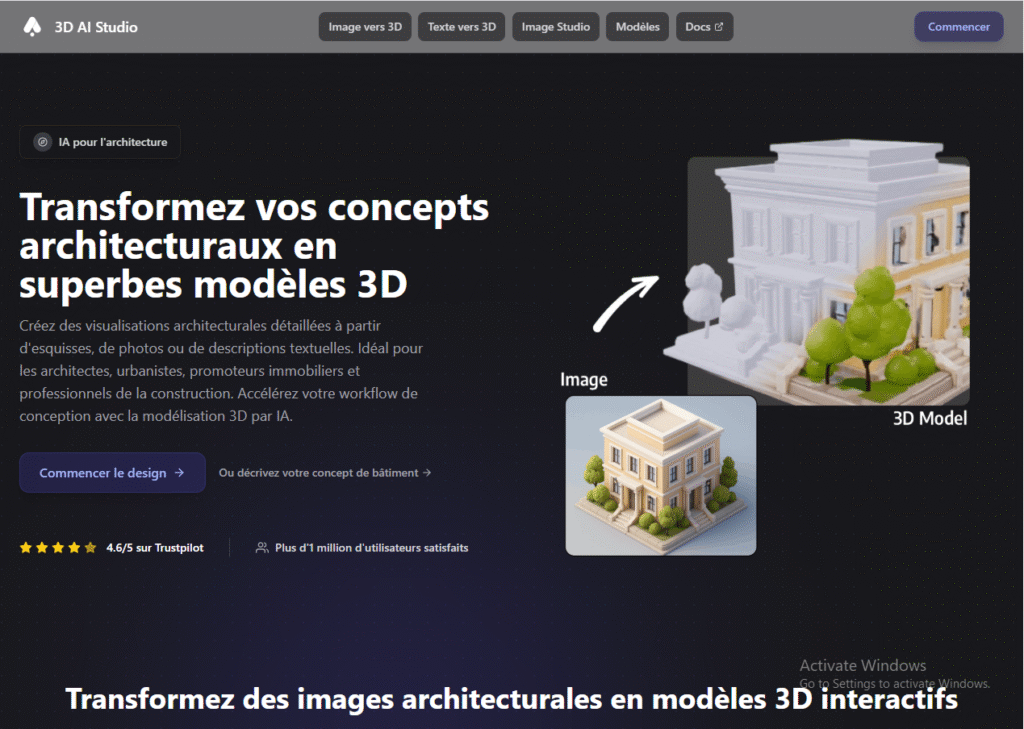
One of the most impactful advancements in this field is IA architecture 3D. By integrating AI-driven insights with 3D modeling, developers can design smart casino spaces that optimize layout, enhance aesthetics, and improve overall player experience.
The Evolution of Smart Casino Design
From Static Layouts to Intelligent Spaces
Traditional casino designs relied heavily on fixed layouts and intuition. While effective in the past, these methods lacked flexibility and adaptability. Today, AI-powered tools enable dynamic designs that can evolve based on real-time data and player behavior.
The Shift Toward Experience-Centric Design
Casinos are no longer just about gambling—they are entertainment destinations. This has led to the integration of:
- Luxury lounges
- Interactive gaming zones
- Live entertainment areas
These elements create a holistic experience that appeals to a broader audience.
How AI Enhances Casino Architecture
Data-Driven Design Decisions
AI systems analyze vast amounts of data, including player preferences and movement patterns. This information is used to:
- Optimize game placement
- Improve traffic flow
- Enhance accessibility
Predictive Analytics
By predicting player behavior, casinos can make informed decisions about layout changes and marketing strategies.
Automation and Efficiency
AI-driven automation reduces operational costs and improves efficiency, allowing casinos to focus on delivering exceptional experiences.
The Power of 3D Modeling in Casino Development
Realistic Design Visualization
3D modeling provides a realistic representation of casino spaces before construction begins. This allows developers to:
- Identify potential issues
- Experiment with design concepts
- Ensure alignment with brand identity
Enhanced Collaboration
Stakeholders can collaborate more effectively by interacting with 3D models, leading to better decision-making and faster project completion.
Continuous Improvement
Designs can be updated and refined in real time, ensuring that the final product meets the highest standards.
Player-Centric Design Strategies
Creating Engaging Environments
An engaging environment encourages players to stay longer and explore more games. Key elements include:
- Dynamic lighting
- Interactive displays
- Thematic decor
Comfort and Accessibility
Comfortable seating, clear navigation, and accessible facilities contribute to a positive player experience.
Emotional Engagement
Design elements are carefully chosen to evoke specific emotions, such as excitement and relaxation.
Integration of Advanced Technologies
Augmented Reality (AR)
AR enhances the gaming experience by overlaying digital elements onto the physical environment.
Internet of Things (IoT)
IoT devices enable real-time monitoring and control of various systems, including lighting and security.
Cloud Computing
Cloud-based systems provide scalability and flexibility, allowing casinos to adapt to changing demands.
Sustainability in Smart Casino Design
Energy Optimization
AI and 3D modeling help design energy-efficient systems, reducing operational costs and environmental impact.
Sustainable Materials
Eco-friendly materials are increasingly being used in construction and interior design.
Waste Reduction
Smart systems ensure efficient use of resources, minimizing waste and promoting sustainability.
Business Benefits of Smart Casino Spaces
Increased Revenue
Optimized layouts and engaging environments lead to higher player retention and increased spending.
Stronger Brand Identity
Innovative design helps casinos establish a unique identity and attract a loyal customer base.
Competitive Advantage
Adopting advanced technologies gives casinos a significant edge in the market.
Challenges in Implementing Smart Designs
High Initial Costs
The integration of AI and 3D technologies requires substantial investment.
Technical Expertise
Specialized skills are needed to design and manage smart casino systems.
Integration Issues
Combining new technologies with existing infrastructure can be complex.
Future of Casino Architecture
Fully Automated Casinos
Automation will play a key role in the future, from game management to customer service.
Hyper-Personalization
AI will enable highly personalized experiences tailored to individual players.
Immersive Hybrid Spaces
The line between physical and digital casinos will continue to blur, creating hybrid environments that offer the best of both worlds.
Conclusion
The integration of AI and 3D design is revolutionizing the casino industry, paving the way for smarter, more engaging gaming environments. These innovations are not only enhancing player experiences but also driving business growth and sustainability.
As casinos continue to embrace these technologies, the future promises even more exciting developments. Smart casino spaces will become the norm, offering players unparalleled levels of immersion and entertainment.
In this rapidly evolving landscape, those who invest in intelligent design and advanced technology will lead the industry into a new era of gaming excellence.
About the Author
